Bird watching

Plaiaundi Ecology Park and the Jaizubia Wetlands

ObservatoryPlaiaundi and Jaizubia, recovered wetlands...

See map and booklet of the Txingudi Wetlands


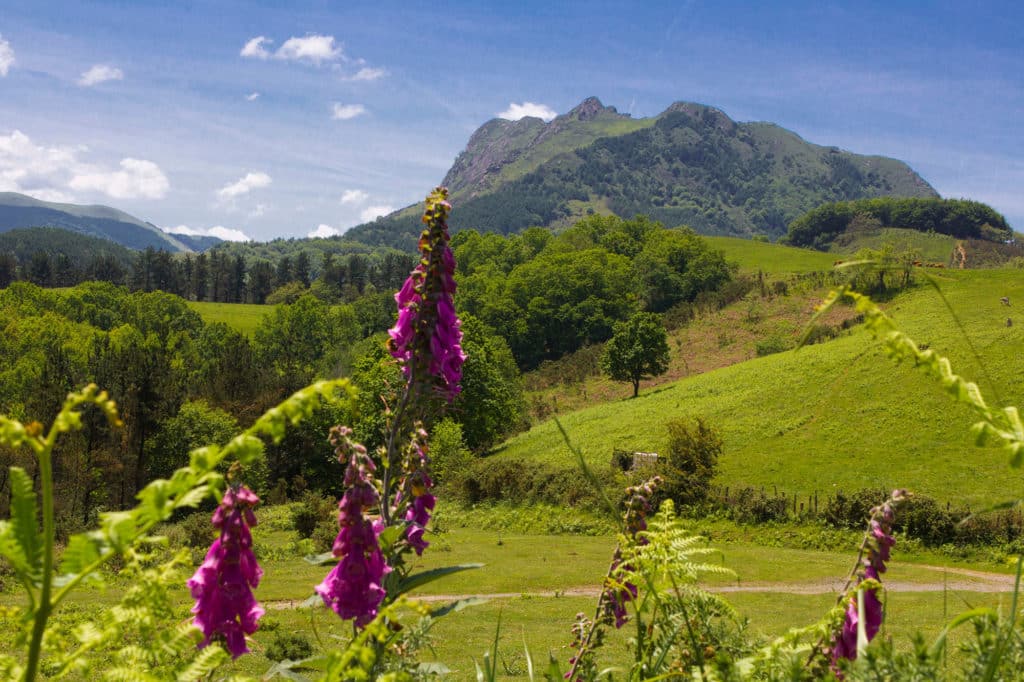
The Plaiaundi-Jaizubia Ecology Park is one of the best wetland areas in Europe for bird watching. Over 312 species of birds have been spotted here, 60% of all those living on the Iberian Peninsular. The reason for the abundant birdlife in these wetland areas is that the region is located along one of the continent’s main migratory routes. Consequently, many bird species come to the park’s lagoons to rest on their way to warmer climes. The Plaiaundi and Jaizubia wetlands are restored areas which, not so long ago, were in a terrible state of degradation due to human activities. These routes pass through all the different habitats: freshwater ponds, grasslands, woodlands and lagoons, etc. and are suitable for all members of the general public. They are marked with explanatory panels and contain a number of huts and platforms specially designed to provide a better view of both the wildlife and the surrounding landscape.

The Bidasoa wetlands are, without doubt, one of the most interesting areas in the region, due to their enormous environmental value. Plaiaundi, the lagoon complex and the intertidal area are all places of refuge and feeding and breeding grounds for a large number of wildlife species, particularly fish, amphibians and birds.

The reason why birdlife is so rich and varied in Txingudi is that, in order to avoid geographic barriers (i.e. the Pyrenees to the east and the Bay of Biscay to the west) on their flight from Northern Europe to the south of the Iberian Peninsular or Africa, migratory birds tend to pass through the region and often stop either in the bay itself or on its islands to refresh themselves before the second leg of their long journey.

The Plaiaundi Ecology Park is an emblematic project which forms part of the Txingudi Special Master Plan. Its design seeks to respond to three key values:

  • Recreation. 50% of the park is covered in water, while the other half is given over to open fields, with large woodland zones and recreational areas.
  • Education. The establishment of a network of green paths and routes, providing access to different strategically located observatories, enables visitors to observe numerous bird species in their natural habitat. A visitors’ centre has also been established, providing further information about the local landscape and wildlife.
  • The environment. The lagoon complex and the intertidal zone provide shelter for wildlife and serve as both feeding and breeding grounds, especially for fish, amphibians and birds. The Special Plan for the Protection and Planning of Natural Resources in the Txingudi Area also envisages a number of other fields of action.

Plaiaundi Ecology Park

  • BIDASOA ACTIVA
    TOURIST DPT.
  • Minatera 9,
    Puerto Deportivo
  • 20280 Hondarribia
  • Tel.: (00.34) 943 64 54 58
  • Fax: (00.34) 943 64 54 66
  • turismo@bidasoa-activa.com
  • Irun
    Office
  • Plaza Luis Mariano, 3
  • 20302 Irun
  • Tel.: (00.34) 943 02 07 32
  • Hondarribia
    Office
  • Arma Plaza, 9
  • 20280 Hondarribia
  • Tel.: (00.34) 943 64 36 77
  • SUMMER TIMETABLE
    JULY / SEPTEMBER 15th
  • Monday to Sunday
  • 10:30 – 13:30 and 15:30 – 20:00
  • WINTER TIMETABLE
    SEPTEMER 16th – JUNE
  • Department
  • Tuesday to Saturday
  • 10:00 – 13:30 and 15:30 – 18:30
  • Sunday
  • 10:00 – 14:00
  • Offices
  • Tuesday to Saturday
  • 10:30 – 13:30 and 15:30 – 19:00
  • Sunday
  • 10:00 – 14:00
Hondarribiko udala Ayuntamiento Irun Udala: www.irun.org Turismo Gipuzkoa: hain txikia, hain handia / tan pequeña tan grande Euskadi: saboréala
Consorcio Transfronterizo Bidasoa Txingudi Red de Ciudades y Villas Medievales Bertiz Costa Vasca Gipuzkoa